


Insole Best Practices & Care Guide
Orthotic insoles are one of the simplest ways to improve daily comfort, support proper alignment, and reduce stress on your feet. Whether you use them for work, exercise, recovery, or everyday support, taking care of your insoles helps ensure they continue performing the way they were designed. PowerStep® insoles are built with premium materials, clinically designed arch support, and durable cushioning systems made to withstand regular wear. However, like any product used daily, proper care and replacement are essential for maintaining support and comfort over time.
Why Proper Insole Care Matters
Your insoles do more than add cushioning to your shoes. High-quality orthotic insoles help support your foot structure, stabilize movement, and improve pressure distribution throughout the day.
PowerStep insoles are designed with a firm but flexible arch support and deep heel cradle to help promote proper alignment. Over time, repeated walking, running, and standing naturally place stress on the materials that provide this support. Proper insole care helps:
- Maintain arch support and stability
- Preserve cushioning performance
- Reduce odor buildup
- Improve comfort
- Extend the life of your insoles
Taking a few simple steps to protect your insoles can help them continue supporting every step.
How Often Should You Replace Insoles?
How often you should replace your insoles depends on how frequently you wear them, your activity level, and the type of footwear you use them in.
For most users, PowerStep recommends replacing insoles approximately every 6–12 months with regular use. However, you may need to replace your insoles sooner if you wear them daily for demanding activities such as running, long work shifts, healthcare or warehouse jobs, high-impact exercise, and walking several miles per day. Someone wearing insoles casually a few times per week may get closer to a year of support, while someone standing 10+ hours per day may experience normal wear sooner.

Signs It’s Time to Replace Your Insoles
Even durable orthotics eventually wear down. Watch for these signs that your insoles may no longer be providing proper support:
- The arch feels less supportive than before
- Cushioning feels compressed or flat
- The top fabric is worn or damaged
- The heel cup has lost structure
- Foot fatigue returns after normal activities
- Old symptoms begin coming back
Because orthotics work by supporting alignment, worn-out insoles may no longer provide the same level of stability and comfort.
How to Replace Insoles Properly
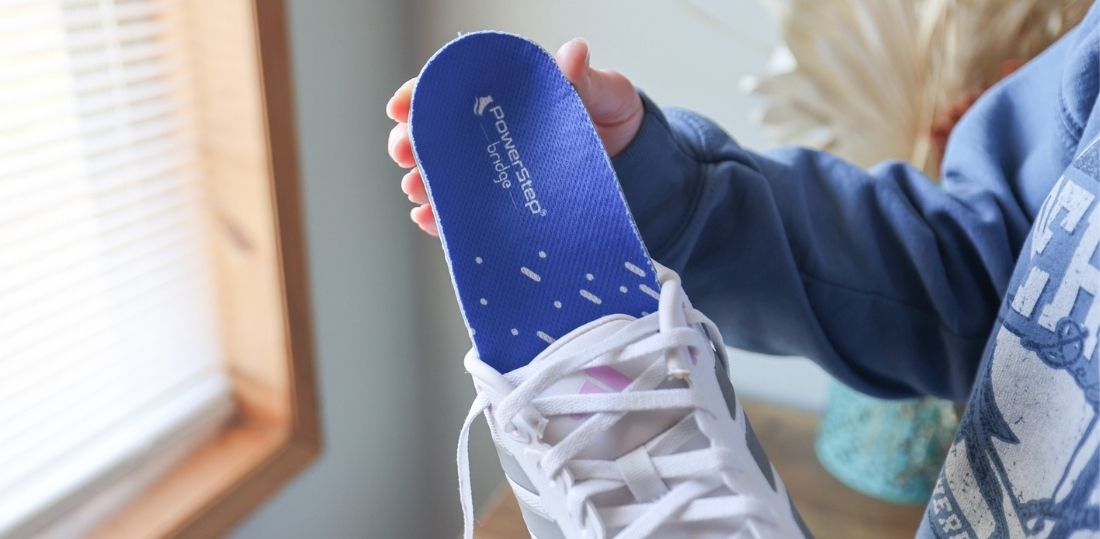
Learning how to replace insoles correctly helps ensure the best fit, comfort, and performance. When adding PowerStep insoles to your shoes, start by removing the existing factory liner if possible. Most shoe inserts included by manufacturers are thin cushioning layers rather than true support systems.
Follow these steps:
- Remove the existing shoe liner (if removable)
- Insert your PowerStep insoles into the shoe
- Make sure the heel sits securely against the back of the shoe
- Check that the insole lies flat without curling or bunching
- Trim only if the product style allows it and follow trimming guidelines
Some PowerStep insoles are designed to be moved between multiple pairs of shoes, while others may work best when dedicated to one frequently worn pair.
Do You Need to Break in New Insoles?
Some people adjust to orthotic support immediately, while others need a short transition period. Because PowerStep insoles provide structured arch support, they may feel different from soft, flat shoe inserts. If you’re new to orthotics, start by wearing them a few hours per day and gradually increase use as your feet adjust. This allows your muscles and joints time to adapt to improved support and alignment.
Can You Wash Insoles?
Many insoles can be cleaned, but it’s important to use the right method. PowerStep insoles should be cleaned gently by hand to help protect their structure and materials.
To clean your insoles:
- Remove insoles from your shoes
- Wipe with a damp cloth using mild soap
- Gently clean the top surface
- Rinse lightly if needed
- Allow them to air dry completely before reinserting
Regular cleaning helps keep your insoles fresh while preserving their supportive design.
Can I Put Insoles in the Washer?
While it may seem convenient, you should not put PowerStep insoles in the washing machine. Machine washing can damage supportive materials and affect the structure that helps your insoles perform properly. High heat, aggressive spinning, and soaking may weaken adhesives or impact cushioning layers. Avoid washing machines, dryers, bleach, harsh cleaners, and direct heat sources. Instead, hand cleaning is the safest way to refresh your insoles without compromising support.
How to Prevent Odor and Keep Insoles Fresh
Daily wear naturally exposes insoles to moisture and bacteria. A few simple habits can help keep them fresher longer.
After wearing your shoes:
- Remove insoles occasionally to air out
- Allow shoes to fully dry between wears
- Rotate between multiple pairs of shoes when possible
- Wear moisture-wicking socks
- Avoid storing damp shoes in closed spaces
Keeping insoles dry helps preserve both comfort and freshness.
How to Get the Best Performance From PowerStep Insoles
PowerStep insoles are designed to provide long-lasting support, but proper use helps maximize their benefits.
Pair Them With Supportive Shoes
Even the best orthotics perform better inside quality footwear. Choose shoes with a stable heel counter, enough depth for insoles, proper sizing, and good midsole structure. Unsupportive or worn-out shoes may limit how effectively your insoles can support your feet.

Choose the Right Insole for Your Needs
Different activities and foot types require different support. PowerStep offers options designed for:
- Everyday comfort
- Work shoes
- Running and athletics
- High arches
- Overpronation
- Ball of foot pain
- Plantar fasciitis support
Choosing the right support ensures your insoles match your lifestyle and comfort needs. If you’re unsure, check out PowerStep’s Insole Finder to help you find the insole you need.
Why Insole Maintenance Supports Long-Term Foot Health
Your feet support your entire body every day, and your insoles play an important role in keeping that foundation stable. Maintaining and replacing your PowerStep insoles helps ensure you continue receiving the support, cushioning, and alignment benefits they were designed to provide. By cleaning them properly, monitoring wear, and replacing them when needed, you can keep every step feeling supported. Small care habits make a big difference, helping you get the most comfort and performance from your orthotics.
Insole Care FAQs
Q: How often should you replace insoles?
A: Most PowerStep insoles should be replaced every 6–12 months depending on wear, activity level, and frequency of use. Replace sooner if support or cushioning noticeably decreases.
Q: Can you wash insoles?
A: Yes. PowerStep insoles can be cleaned by hand using mild soap and a damp cloth. Always allow them to air dry completely before wearing.
Q: Can I put insoles in the washer?
A: No. Washing machines can damage the supportive structure and materials of orthotic insoles. Hand cleaning is recommended.
Q: How do I replace insoles in my shoes?
A: Remove the original shoe liner if possible, place your new orthotic insoles inside, and make sure they sit flat and securely before wearing.
Q: How do I know when my orthotics are worn out?
A: Signs include flattened cushioning, reduced arch support, visible damage, or returning foot discomfort during normal activities.


