


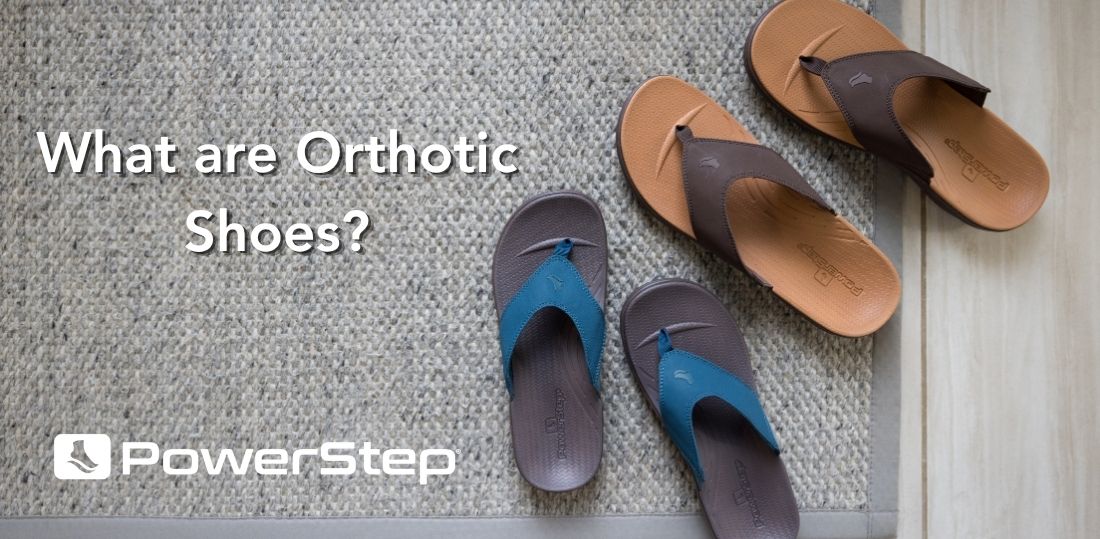
What are Orthotic Shoes?
Foot pain affects far more than just your feet. When your arches collapse, your heels lack support, or your alignment is off, the effects can travel upward into the ankles, knees, hips, and lower back. Orthotic shoes are specifically designed to support proper foot alignment, improve stability, and reduce stress on the body during movement. Unlike standard shoes that often prioritize appearance or softness alone, orthotic shoes are built with structure and biomechanics in mind. They help create a more stable foundation for walking, standing, and daily activity, making them especially beneficial for people dealing with plantar fasciitis, flat feet, overpronation, arthritis, or general foot fatigue.
Today’s orthotic footwear has also evolved significantly. Orthotic shoes are no longer limited to bulky medical-looking designs. Modern orthotic sandals, slippers, and other supportive footwear combine comfort, stability, and style in ways that fit seamlessly into everyday life.
What Are Orthotic Shoes?
Orthotic shoes are footwear designed to support the natural mechanics of the foot. Their goal is to improve alignment, distribute pressure more evenly, and reduce excessive strain on muscles, tendons, and joints during movement.
Most orthotic shoes incorporate supportive features directly into the design of the shoe itself. These may include structured arch support, cushioned midsoles, deep heel cradles, and stable heel counters that help control unwanted motion. Many are also built with removable footbeds so orthotic insoles can be added for even greater support.
The difference between orthotic shoes and regular shoes is often found beneath the surface. Standard footwear may feel soft initially, but many shoes lack the structural support necessary for long-term comfort and alignment. Orthotic shoes are designed to guide the foot through a more efficient movement pattern rather than simply cushioning impact.
This matters because poor foot mechanics can contribute to a wide range of issues, including:
- Plantar fasciitis
- Heel pain
- Flat feet and overpronation
- Achilles tendonitis
- Shin splints
- Knee discomfort & lower back pain
- Arch fatigue
By improving alignment and stabilizing the foot, orthotic shoes help reduce the repetitive stress that contributes to these conditions over time.
How to Know If You Need Orthotic Shoes
Many people don’t realize their footwear may be contributing to pain until symptoms become persistent. While occasional soreness after activity is common, ongoing discomfort is often a sign that the feet are not being supported properly.
You may benefit from orthotic shoes if you regularly experience heel pain, arch fatigue, instability while walking, or discomfort after long periods of standing. People with flat feet or excessive inward rolling of the foot (overpronation) are especially likely to benefit from additional support because the foot has to work harder to stabilize itself during movement.
Other signs that supportive footwear may help include:
- Pain when walking barefoot on hard floors
- Frequent ankle sprains or instability
- Knee or hip discomfort linked to walking
- Uneven shoe wear patterns
- Persistent foot fatigue after standing all day
For individuals with chronic conditions like arthritis, diabetes, or plantar fasciitis, supportive footwear can become an important part of long-term symptom management and prevention.

Why Orthotic Sandals and Slippers Matter
One of the biggest misconceptions about foot support is that it only matters when wearing athletic or work shoes. In reality, many people spend hours every day walking barefoot at home or wearing unsupportive sandals and slides.
This is where orthotic sandals and orthotic house shoes become especially important.
Walking barefoot on hard flooring can increase stress on the plantar fascia, heel, and joints of the foot. Over time, this repeated strain may worsen heel pain and contribute to inflammation. Supportive sandals and slippers help maintain alignment even during casual wear around the house.
Unlike flat flip-flops or unsupportive slippers, orthotic sandals are designed with built-in biomechanical support features such as:
- Structured arch support
- Deep heel cradles
- Stabilizing footbeds
- Cushioned midsoles
- Shock-absorbing materials
PowerStep’s orthotic sandals and slippers are designed to provide this kind of support while still feeling lightweight and comfortable enough for daily wear. For individuals with plantar fasciitis or chronic arch pain, simply replacing flat house shoes with supportive recovery footwear can make a noticeable difference in comfort.
Can Orthotic Shoes Help Plantar Fasciitis?
Plantar fasciitis is one of the most common reasons people begin searching for orthotic shoes. This condition occurs when the plantar fascia, the thick band of tissue running along the bottom of the foot, becomes irritated from repetitive strain.
Footwear lacking support can worsen this condition by allowing the arch to collapse excessively during walking. This increases tension on the plantar fascia with every step.
Orthotic shoes help reduce this strain by supporting the arch, stabilizing the heel, and improving how pressure is distributed across the foot. Many people notice that supportive footwear reduces the sharp heel pain commonly experienced first thing in the morning or after long periods of standing. For additional support, many people pair orthotic shoes with structured insoles like the PowerStep Pinnacle series to improve comfort and alignment further.
Orthotic Shoes for Flat Feet and Overpronation
Flat feet and overpronation are among the most common biomechanical issues affecting foot health. When the arch collapses excessively inward during movement, it places added stress on the ankles, knees, hips, and lower back.
Good orthotic shoes help control this excessive inward rolling by supporting the arch and stabilizing the heel. When shopping for orthotic footwear for flat feet, it’s important to look for features such as:
- Firm but comfortable arch support
- Stable heel counters
- Structured midsoles
- Motion-control features
- Removable insoles for orthotics
People with moderate to severe overpronation may also benefit from adding orthotic insoles for additional motion control and alignment support.
Orthotic Shoes vs. Orthotic Insoles
A common question people ask is whether orthotic shoes replace the need for orthotic insoles. In many cases, the two work best together. Orthotic shoes create a stable and supportive foundation, while orthotic insoles provide more targeted support and pressure redistribution inside the shoe. Think of the shoe as the framework and the insole as the customized support system within it.
For individuals with mild discomfort, orthotic shoes alone may provide enough support. However, people dealing with chronic pain, plantar fasciitis, or significant overpronation often experience better results when combining supportive footwear with orthotic inserts.
PowerStep orthotic insoles are designed to fit comfortably into many supportive shoes and help improve alignment, stabilize the heel, and reduce stress on the plantar fascia and surrounding joints.
What Makes a Good Orthotic Shoe?
Not all shoes marketed as “comfort shoes” provide true orthotic-level support. Soft memory foam alone does not necessarily improve alignment or stabilize the foot. A good orthotic shoe should strike a balance between cushioning and structure. Shoes that are excessively soft or flexible may actually increase instability by allowing the foot to collapse more during movement.

Orthotic Shoes as Preventative Support
One of the most overlooked benefits of orthotic shoes is prevention. Supportive footwear is not only for people currently experiencing pain. Many individuals use orthotic shoes proactively to reduce stress on the feet and lower body before symptoms develop. This is especially important for people who spend long hours standing or walking, including:
- Nurses and healthcare workers
- Teachers
- Retail employees
- Warehouse workers
- Runners and walkers
- Travelers
Supportive footwear can help reduce fatigue, improve posture, and create more efficient movement patterns over time.
When to See a Podiatrist
While orthotic shoes help many people manage discomfort successfully, persistent pain should not be ignored. You should consider seeing a podiatrist if you experience:
- Pain lasting longer than several weeks
- Severe heel pain
- Sudden arch collapse
- Numbness or tingling
- Repeated ankle sprains
- Difficulty walking normally
A podiatrist can evaluate your gait mechanics and determine whether orthotic footwear, orthotic insoles, or additional treatment may be appropriate.
Orthotic shoes are designed to support the natural mechanics of the foot, improve alignment, and reduce repetitive strain during daily movement. Whether you’re dealing with plantar fasciitis, flat feet, overpronation, or simply long hours on your feet, supportive footwear can make a meaningful difference in comfort and mobility.
Orthotic shoes like PowerStep’s sandals and slippers and structured insoles create the right combination of footwear and support for a healthier foundation. Investing in proper support isn’t just about comfort, it’s about protecting your long-term foot health and staying active with confidence.
Orthotic Shoes FAQs:
Q: What are orthotic shoes used for?
A: Orthotic shoes are designed to support proper alignment, reduce foot strain, improve stability, and help manage conditions like plantar fasciitis, flat feet, and overpronation.
Q: How do I know if I need orthotic shoes?
A: Persistent heel pain, arch fatigue, overpronation, ankle instability, or discomfort after standing for long periods may indicate a need for supportive footwear or orthotics.
Q: Are orthotic sandals actually supportive?
A: Yes. High-quality orthotic sandals include built-in arch support, heel stabilization, and cushioned footbeds that help improve alignment during casual wear.
Q: Can orthotic shoes help plantar fasciitis?
A: Yes. Orthotic shoes support the arch and stabilize the heel, helping reduce strain on the plantar fascia during walking and standing.
Q: Do orthotic house shoes really matter?
A: Absolutely. Wearing supportive slippers or sandals at home helps reduce strain caused by walking barefoot on hard surfaces and maintains alignment throughout the day.


