


Bunions & Foot Pain
Noticing a painful bump or redness at your big toe? PowerStep® orthotics realign your step to relieve pressure now and help prevent bunions down the road.
Hallux Valgus (Bunion Deformity)

Bunions Explained
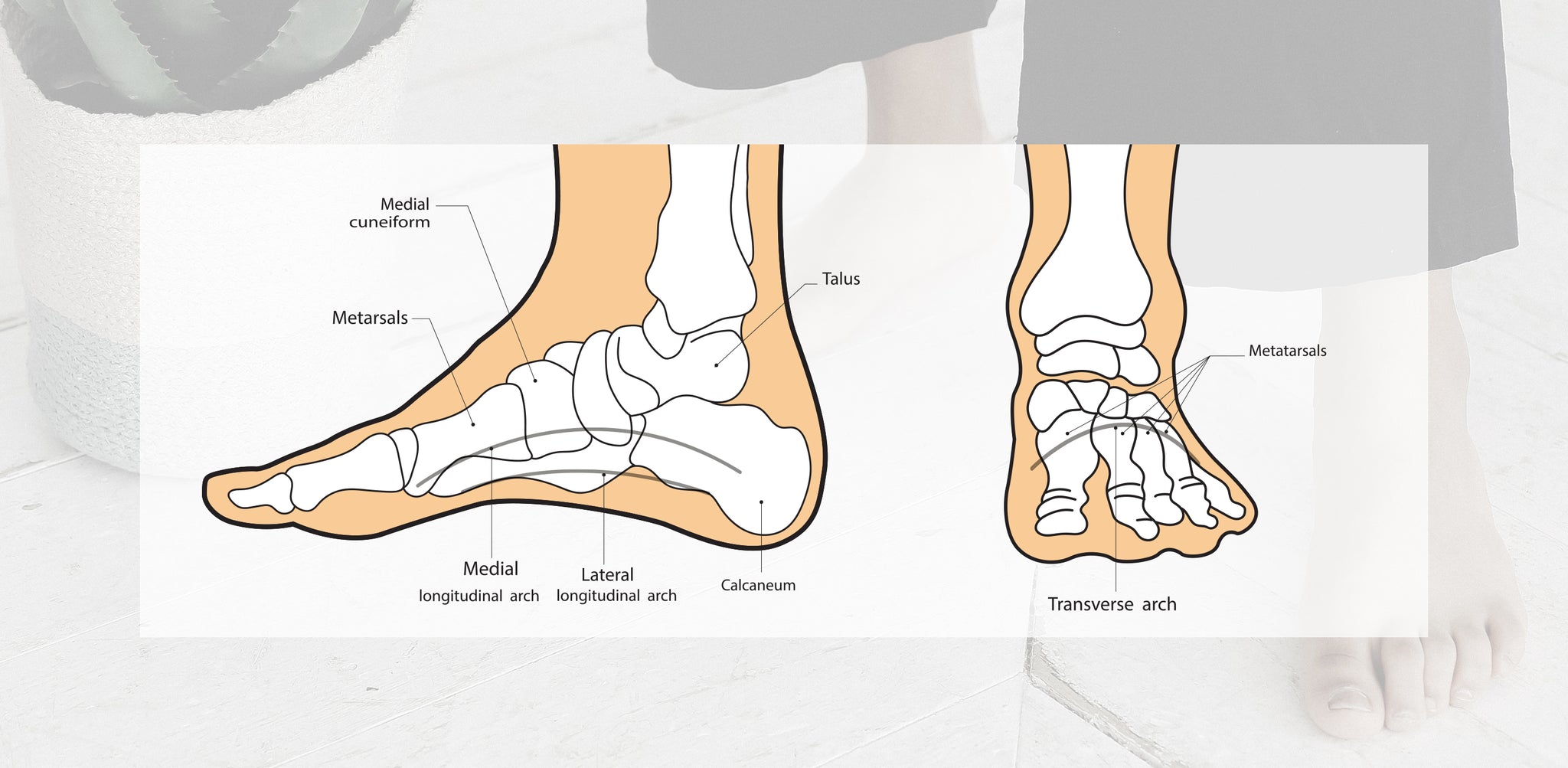
If you run your finger along the inside of your foot from your heel to the top of your big toe, you’ll find a curve at the base of that toe.
For one third of Americans, that curve is a large, painful bump called a bunion which results from misalignment of that toe joint. There are several ways to prevent and treat bunion pain from wearing better shoes to orthotics that support healthy alignment.
What Are Bunions & What Do They Look Like?
How Bunions and Bunionettes Develop
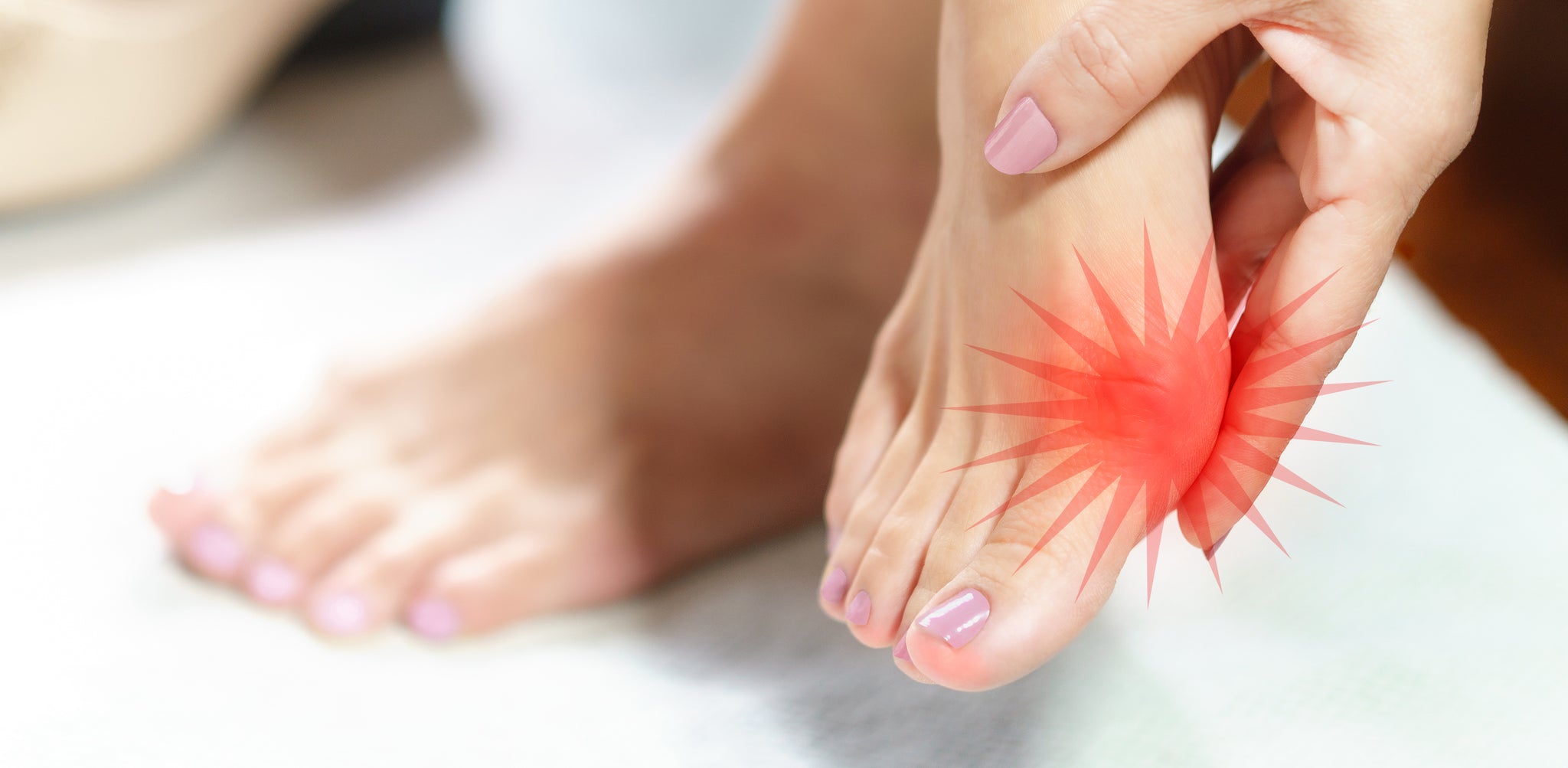
Medically known as hallux valgus, bunions are foot deformities affecting the joint of the big toe. When bones in the front anatomy of the foot move out of place due to consistent pressure or stress, the big toe pulls toward the smaller toes, forcing the joint to bulge out. This creates a bony bump that may appear red and swollen when irritated, making it painful to walk or stand for a long time.

Hallux valgus deformity can occur in one or both feet and is more common in older adults. Still, some people are born with bunions or develop them in their teen years. Bunionettes are similar, smaller deformities that form on the outside of your little toe joint, also called Tailor’s bunions.
Signs & Symptoms of Bunions
Discomfort from bunions progresses over time, as bunions can take years to develop. Without preventative care, the pain will become worse, and the bunion may grow larger.
In more severe cases, you might experience numbness in your big toe or limited movement and a burning sensation when you try to bend it.
Common symptoms of bunions include:
- Seeing a large, angular bump sticking out at the base of the big toe
- Redness and swelling in the affected area
- Pain at the base of the big toe when walking, standing, or wearing shoes
- Corns or calluses between the first and second toe
- Having difficulty wearing normal shoes
- Development of arthritis in the affected area, leading to chronic pain
What Causes a Bunion?
The direct cause of bunions is unclear. However, there are some risk factors such as having arthritis or an inherited foot structure that is more prone to developing them.
Bunions usually form in adulthood as we put more stress and pressure on our feet. Women are more likely to develop the deformity when wearing high heels that push the toes into an unnatural position.
Other factors that may contribute include:
- Putting excess stress on the feet
- Foot injuries
- Birth deformities
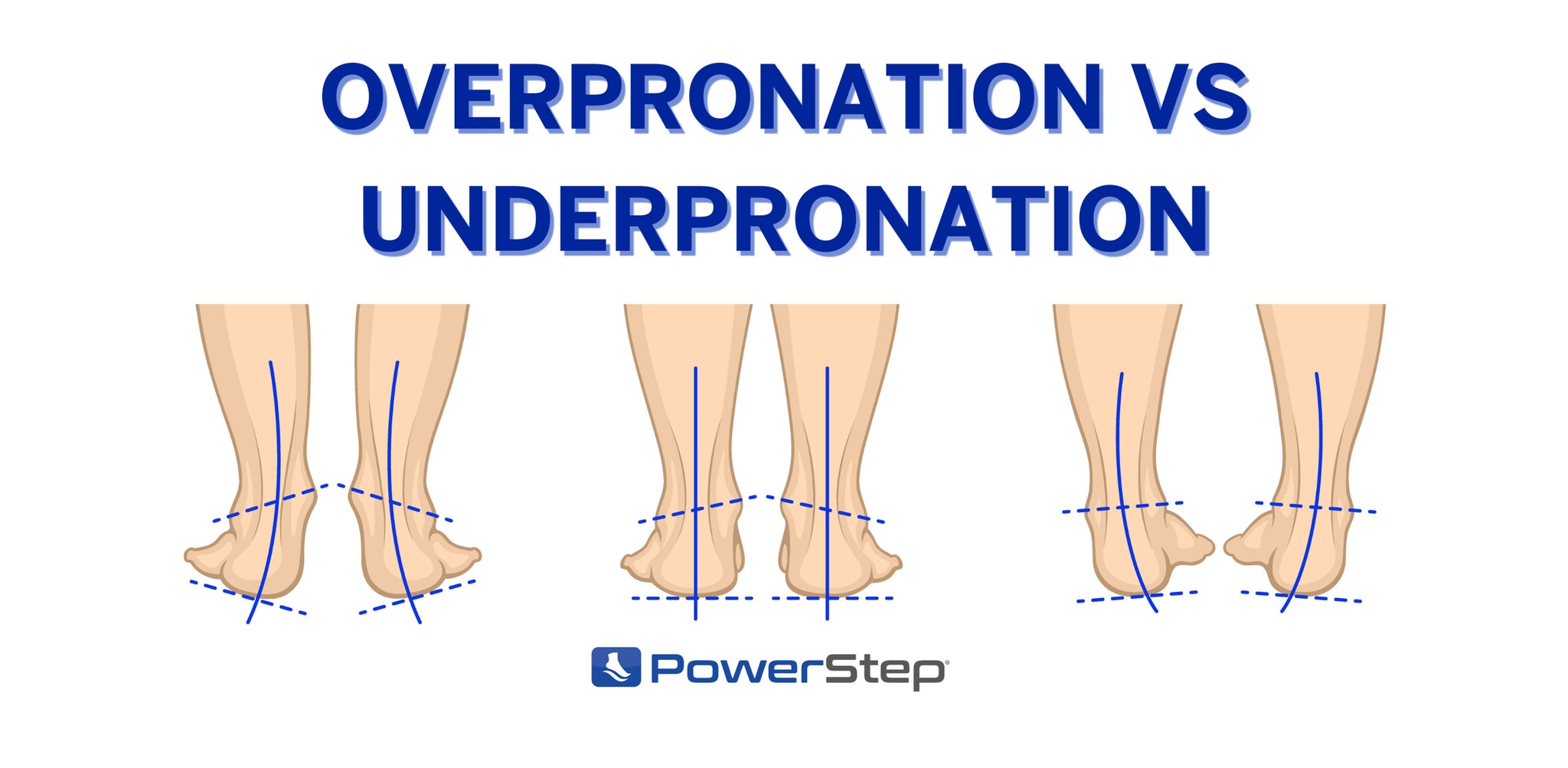
- Flatfeet or overpronation
- Wearing footwear that is too tight or narrow
Treatment Options for Bunions
If foot or toe pain makes it difficult to walk, run, or enjoy daily activities, consider seeing a healthcare provider or podiatrist for help. Usually, a physical exam is enough to diagnose a bunion. To determine the best mode of treatment, your doctor might have an X-ray done to look for joint damage.
Treatment for bunions only addresses the symptoms. Early care can help keep bunions from becoming worse. If pain and symptoms persist despite nonsurgical methods, surgery can correct the condition. Surgery on bunions involves removing the swollen tissue and realigning the bones. Orthotic footwear and devices are still recommended to prevent reoccurrence.
Most nonsurgical treatments for bunions include:
- Using orthotic shoe inserts with arch support to help correct your foot alignment
- Choosing wide width shoes with orthotics
- Using bunion pads for added cushion
- Wearing a splint or other device that will keep your big toe straight
- Wearing athletic or walking shoes that have thick, durable soles and gripped heels
- Icing the area and taking pain medications
Using Inserts & Orthotics for Bunions
Looking for a supportive shoe insert for bunions? PowerStep® orthotic insoles encourage better alignment to prevent mild to moderate pronation, which is a large contributing factor to bunions.


Recommended by podiatrists, PowerStep’s signature arch shape is clinically proven to relieve and prevent foot pain.
Offering the perfect blend of comfort and support, our insoles help stabilize and align the feet while distributing weight evenly across the foot as you walk to reduce stress on your ankles, feet, and joints. Consider the following bunion pain relief solutions by PowerStep®:
Pinnacle Plus Full Length Orthotics
PowerStep® Pinnacle Plus Met insoles feature our proven arch support, premium cushioning, and a built-in metatarsal pad to help treat and relieve ball of foot pain including pain surrounding the toes.
A deep heel cradle stabilizes the foot and helps correct alignment, too. Browse PowerStep® Pinnacle insoles to relieve and prevent foot pain with orthotics for flat feet, high heels, and more.

Pinnacle Wide Fit Shoe Insoles
The PowerStep® Pinnacle Wide insoles combine our trusted arch support and premium cushioning in a wider fit, providing extra room in the toe box for those with active bunions.
Wearing wide-width shoes with supportive insoles can help reduce pressure, ease pain, and improve everyday wearability.
PowerStep® Morton's Extension Orthotic Insoles
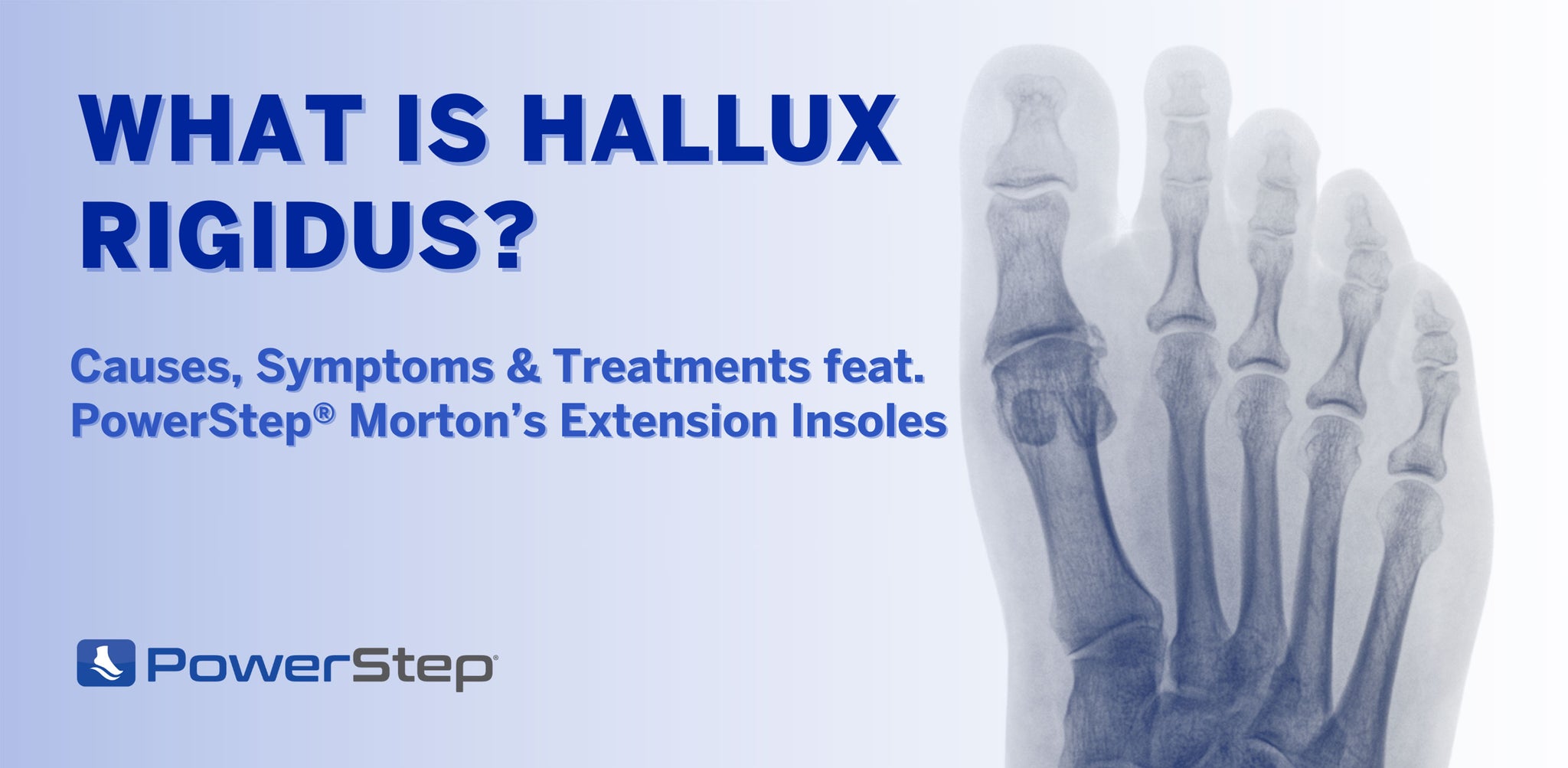
Recover more comfortably with the PowerStep® Morton’s Extension insole, featuring a lightweight carbon fiber plate that helps limit movement of the big toe.
These insoles provide targeted support to improve stability and reduce pressure, stiffness, and pain—helping promote a smoother, more effective recovery.
PowerStep® Heat Moldable Orthotic Insoles
Podiatrists often recommend custom orthotics for bunions since the deformity affects your foot’s natural shape.
PowerStep® Heat Moldable orthotics are a similar solution. They utilize lightweight materials that mold to your foot in minutes for personalized comfort and support.
PowerStep® Metatarsal Cushions
Bunions can cause forefoot pain that goes beyond the toes.
These metatarsal pads are cushioned foam inserts that go under the ball of your foot to help alleviate pain and prevent calluses that can be caused by bunions.
PowerStep® ArchWear™ Orthotic Sandals & Slippers
Made with our signature arch shape and stabilizing deep heel cradle, PowerStep® ArchWear™ orthotic footwear for men and women are the best shoes for bunions.
They provide the same trusted support as our orthotics in both flip-flop and slipper designs that reduce pressure, don’t constrict the toes, and prevent pronation.
FAQs About Bunions
Treating bunions is a part of practicing good foot health. Have more questions about what causes bunions or how to prevent them? Below are some frequently asked questions about this foot condition:


Other Common Foot Conditions
REFERENCES
- Bunions - Symptoms and causes. (2017). Mayo Clinic.
- Bunions: Causes, Symptoms & Treatment. (2020). Cleveland Clinic.