


Relief for Shin Splints
Feeling a burning, throbbing ache along your shin after activity? PowerStep® insoles help stabilize your gait, absorb shock, and ease stress on the lower leg to reduce shin splint discomfort.
What Is Medial Tibial Stress Syndrome (MTSS)?

Shin Splints Explained
Shin splints are a common overuse injury among active individuals. Though temporary, shin splints can cause pain, inflammation and swelling along the inner part of the lower leg.
Treatment includes resting, icing, and wearing athletic shoes with arch support from orthotic insoles.
Understanding Shin Splints & Lower Leg Pain
Why Do My Shins Hurt When I Run?
If you are a runner, athlete, or just started a new fitness routine, you might experience shin pain. Shin splints, or medial tibial stress syndrome, often develop after a sudden increase in physical activity. Repeated stress from exercise pulls on the muscles, tendons, and connective tissues in the shin, causing inflammation.
Shin splints refer to the pain that is felt in the front part of the lower legs, typically along the inner edge of the shin bone, or tibia. This pain might start out dull then progress into a more consistent ache that worsens with activity.
There are two types of shin splints that can develop from overuse or repetitive stress:
- Anterior shin splints affect the muscles along the front of the lower leg that lift the foot. This type often occurs in runners or athletes who rapidly increase activity levels or train on hard surfaces, leading to pain and inflammation along the front of the shin.
- Posterior shin splints involve the muscles and tendons along the inner edge of the shinbone. This type is commonly linked to overpronation or flat feet and causes aching pain along the inside of the lower leg.
Symptoms of Shin Splints
Pain from shin splints may feel like a dull ache or a sharp, throbbing sensation along the inner lower leg. This pain is a sign your body needs to stop whatever activity is causing the discomfort. You may experience similar symptoms with tendonitis.
Shin splints can happen in one or both legs and may reoccur. Wearing cushioned shoes with arch support inserts for shin splints can help relieve symptoms and prevent reinjury.
Shin splint symptoms include:
- Lower leg pain
- A throbbing sensation
- Mild swelling
- Tenderness
- Redness
What Causes Shin Splints?
Any activity that overworks the lower legs can cause inflammation and weaken surrounding muscles. Shin splints are caused by frequent and repetitive stress to the shin bones and attached muscles.
People at risk of developing shin splints include runners, dancers, military personnel, and people who overpronate or have preexisting conditions like osteoporosis. Runners who heel strike get shin splints when they overstride and stretch the shin muscles too much.
The main causes of shin splints include:
- Increase in duration, frequency or intensity of exercise
- Starting a new fitness routine or running program
- Running on uneven or hard surfaces
- Having flat feet or high arches that distribute impact unevenly
- Wearing worn, ill-fitting shoes that lack arch support or cushioning
How to Treat Shin Splints
You can treat shin splints at home using self-care strategies like resting, icing, taking pain relievers, and stretching. It's okay to stay active by substituting your normal activities with low impact exercises like walking or swimming.
Without proper treatment and enough rest, shin splints can lead to stress fractures that take longer to heal and may require physical therapy. Most doctors recommend a gradual return to normal activity levels once you’ve been pain free for at least two weeks.
Treatment for shin splints includes:
- Resting and avoiding activities that cause discomfort
- Icing the affected area multiple times a day for several weeks
- Taking NSAIDs or using topical pain relievers to reduce pain and inflammation
- Wearing compression sleeves or socks to reduce swelling
- Stretching your lower leg muscles
- Adding orthotic insoles with arch support to your shoes
- Slowly increasing your level of physical activity
- Doing low-impact exercises like swimming, cycling, or walking
Supportive Insoles & Accessories for Lower Leg Comfort
From orthotic insoles to compression socks and recovery accessories, PowerStep® products provide the support and comfort your feet and legs need to relieve and prevent shin splint pain.


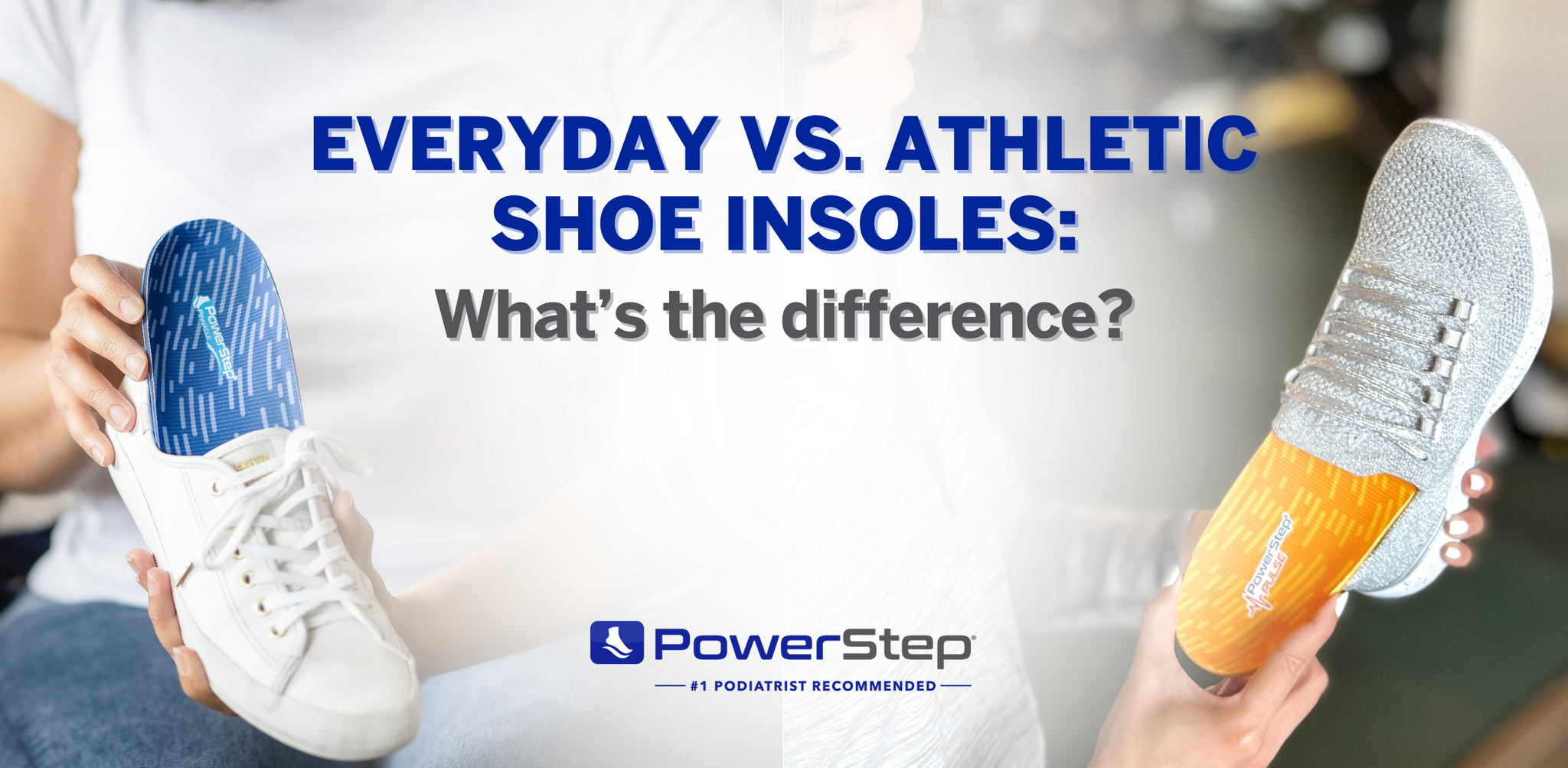
Shoe inserts for shin splints support your foot’s arch and absorb shock to promote alignment and take stress off the lower body.
Our best insoles for shin splints and other accessories are:
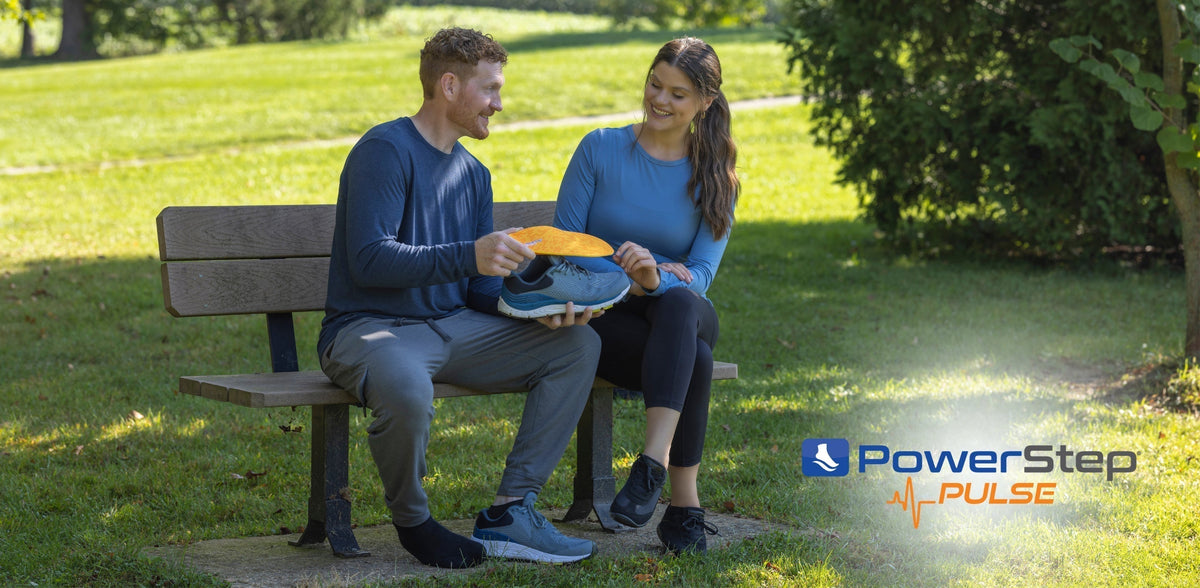
PULSE® Performance Insoles
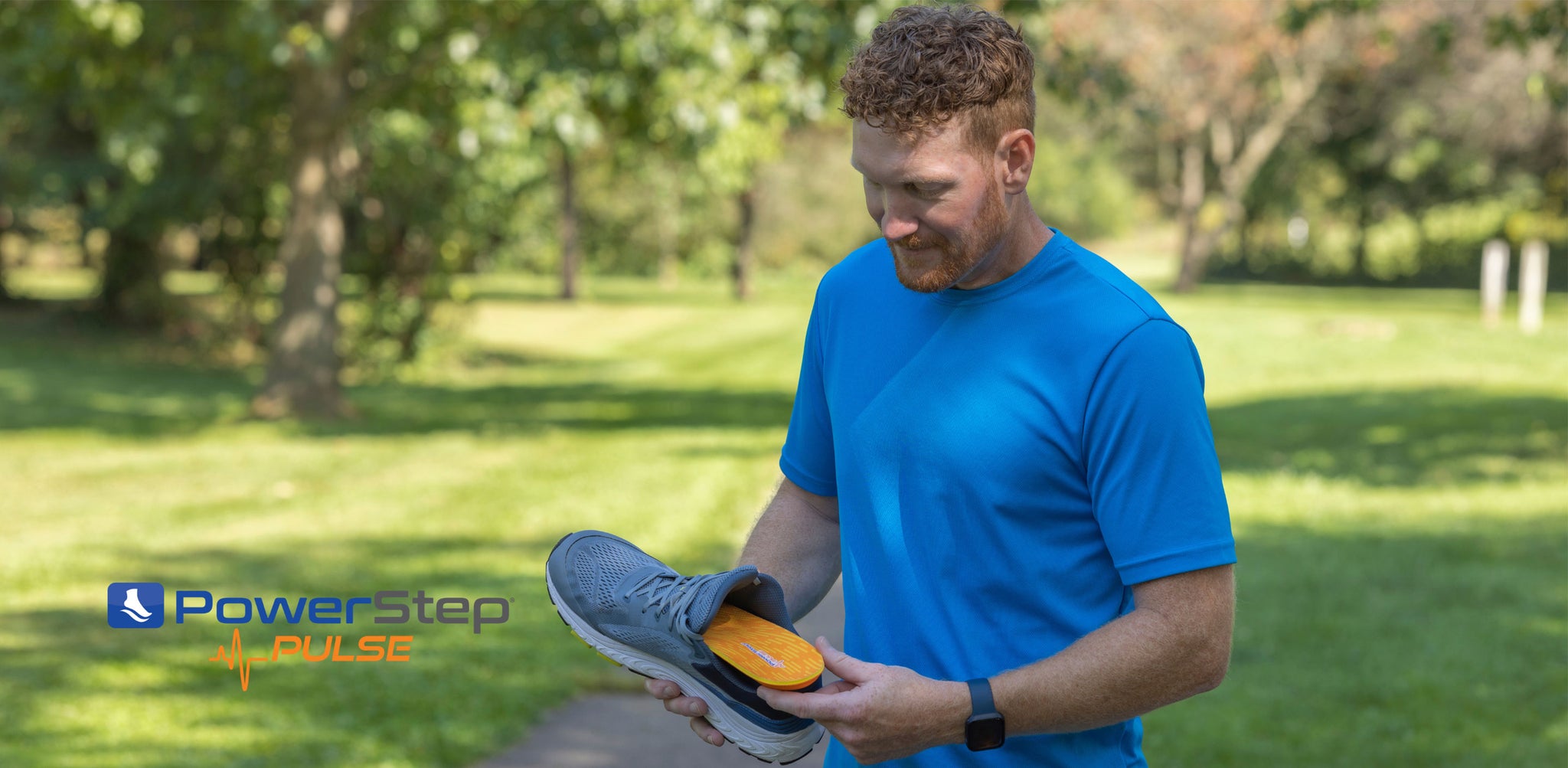
Designed by runners for runners, PULSE® Performance insoles support, stabilize and align the feet and lower body for optimal movement.
With ShockAbsorb™ premium cushioning, our running shoe insoles absorb shock at impact to reduce stress on the muscles and tendons, relieving pain and preventing injuries.

PULSE® Maxx Support Insoles
Overpronation increases strain on the feet and leg muscles, which may lead to shin splints.
Made to absorb shock and support flat feet or low arches, PULSE® Maxx insoles help prevent overpronation with a heel post for greater support, correction, and motion control.
PowerStep® bridge® Insoles
With adaptable arch support for every foot shape, bridge® insoles help teach proper alignment and relieve discomfort during everyday activities.
Dual-layer cushioning uses slow-recovery memory foam and energize foam to cushion the feet and return energy with every step.
PowerStep® UltraFlexx® Foot Rocker
The UltraFlexx® Foot Rocker helps relieve and prevent shin splints by stretching and strengthening the muscles and tendons in the lower leg and foot.
A deep, controlled stretch improves flexibility, reduces tightness in the calves and Achilles, and promotes better muscle recovery to help prevent recurring shin pain.
PowerStep® G2 Recovery Compression Socks
G2 Recovery running compression socks for women and men’s compression socks help relieve and prevent common running aches and pains.
Added Achilles and arch support plus compression for shin splint pain help improve circulation, reduce swelling, and speed up recovery.
FAQs About Shin Splints
Looking for more information about shin splints and orthotic insoles? These frequently asked questions about shin pain provide more information about the condition and how PowerStep® orthotic insoles can help you relieve pain and get back to being active.
Learn About Shin Splints & More Through Our Blog


Other Common Foot Conditions
REFERENCES
- Shin Splints - OrthoInfo - AAOS. (2019). American Academy of Orthopaedic Surgeons.
- Shin Splints: Causes, Symptoms, Diagnosis, Treatments & Prevention. (2020, February 5). Cleveland Clinic.
- Shin splints - Symptoms and causes. (2021, October 16). Mayo Clinic.
- A Patient's Guide to Shin Splints. (n.d.). Concord Orthopaedics.