


High Arches Explained
High arches causing pain? Find clinically-proven support that helps your feet feel balanced and pain-free.
What Is Pes Cavus (High Arch)?

High Arch Feet
Having a high arch means the middle of your foot may or may not touch the ground. Instead, your bodyweight sits on the outside, heel, or ball of your foot.
Overtime, this can cause pain, instability, and misalignment. High arch support insoles help provide relief and improve stability for those with mild to moderately high arches.
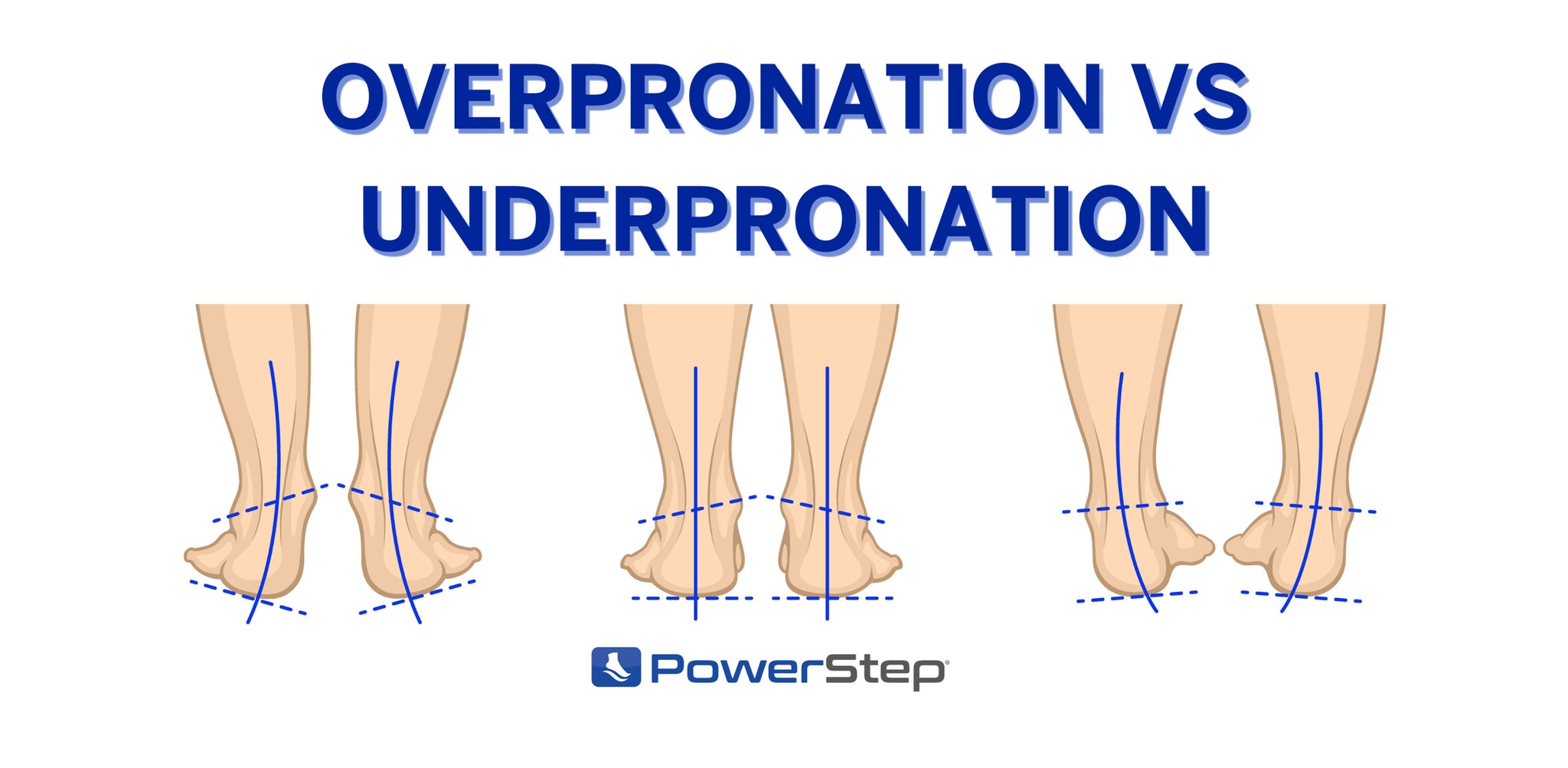
Understanding Supination (Underpronation)
How Underpronation Impacts Your Foot Function
With each step, a typical foot rolls inward, and the arch flexes or flattens to absorb impact. High arches are more rigid, so they are less likely to roll and flatten. As a result, they absorb less shock, increasing pressure on the outer edges, heels, and balls of the feet.
Do you walk on the outsides of your feet? Standing or walking on the outside of your feet is a common sign of high arches. Also called supination, this abnormal movement can strain the lower body, leading to foot, ankle, knee, hip and back pain.
Normal Arch vs High Arch

How to Tell If You Have High Arches
High arches are less common than flat feet or neutral arches.
The easiest way to tell if you have high arches is using this arch height test:
ARCH HEIGHT FINDER- Place your barefoot into a basin of water.
- With your wet foot, step onto a paper towel or piece of cardboard.
- A footprint that shows little to no imprint between the ball of the foot and heel means you have high arches.
Symptoms from Having High Arches
While high arches don't always hurt, they can alter your gait, potentially causing misalignment and raising your risk of injury.
Did you know? People with high arches have a higher risk of developing chronic foot pain such as plantar fasciitis, metatarsalgia, and hammertoes.
Symptoms depend on how severe or tall your arch is, but can include:
- Arch or heel pain
- Ball of foot pain
- Toe deformities
- Frequent ankle sprains
- Lower leg pain
- Calluses on the outside, heel, or ball of foot
- Difficulty balancing
What Causes High Arches?
While most people are born with high arches, sometimes they result from underlying medical conditions. Neuromuscular conditions like muscular dystrophy or cerebral palsy can cause muscle imbalances that deform the foot into a hollow shape.
Other causes OF HIGH ARCHED FEET include:
- Family history of high arches
- Hereditary conditions like Charcot-Marie-Tooth disease, muscular dystrophy, or spina bifida occulta
- Congenital foot deformities, such as clubfoot
- Neuromuscular disorders
- When certain muscles become too weak and cause others to overcompensate and tighten, it can pull the foot out of shape
How Do You Treat High Arches?
Managing high arch foot pain depends on the cause. Deformities that lead to disability need more intense medical care. In most mild to moderate cases, orthotic insoles with high arch support offer the best treatment for relief from pain and instability.
Other treatments for high arched feet include:
- Physical therapy
- Supportive braces, splints, or casts
- Orthotics for high arched feet that support the arch and reduce symptoms
- Wearing footwear with cushion and arch support
Using Orthotics for High Arches & Foot Pain
PowerStep® orthotics offer the unique support and cushioning that high arches need most.


Clinically proven to relieve pain and improve foot function, our shoe inserts for high arches deliver contoured support with a deep heel cradle for healthy alignment and stability.
Our best inserts and shoe insoles for high arched feet are:
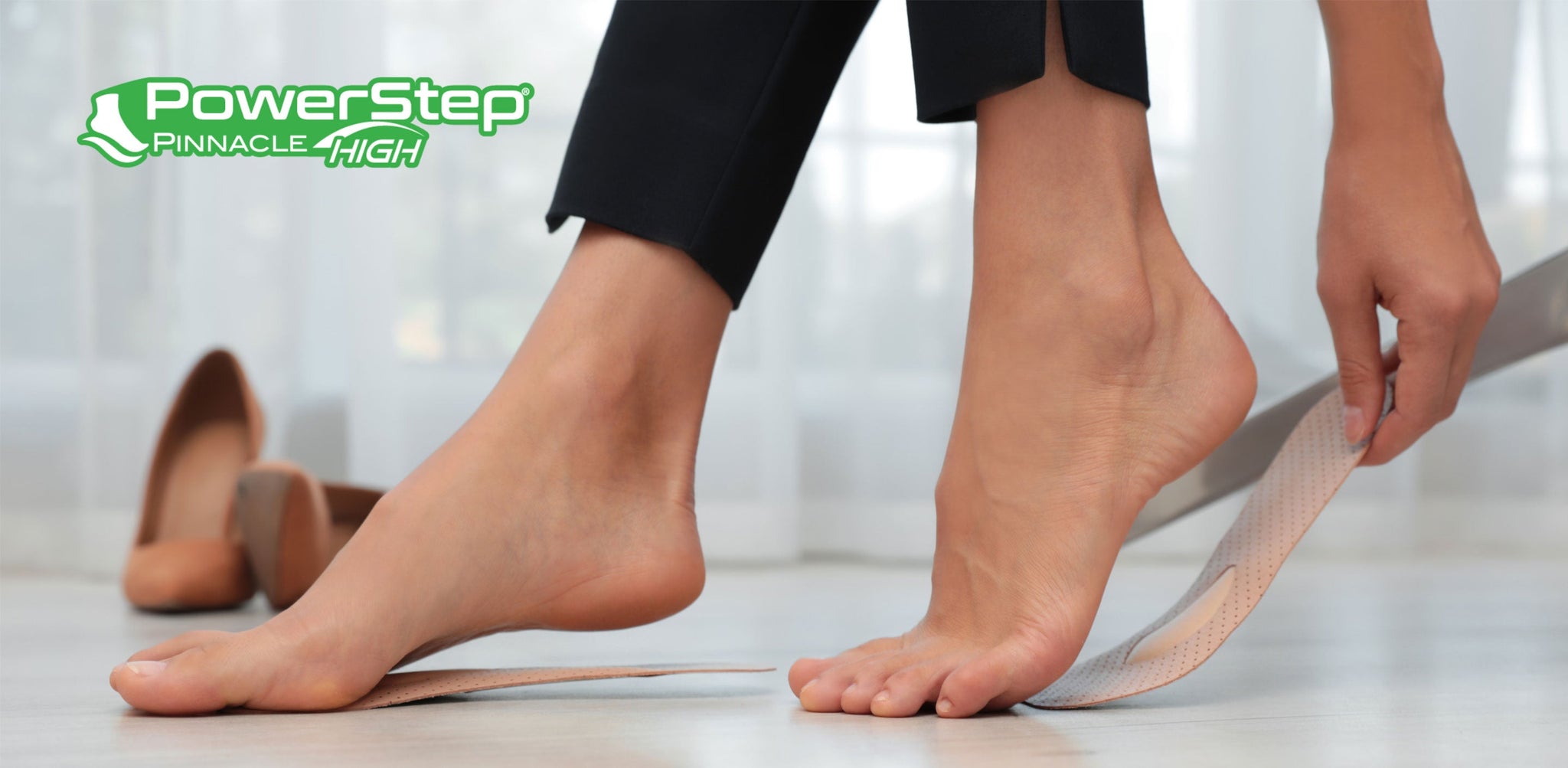
PowerStep® Pinnacle High Insoles
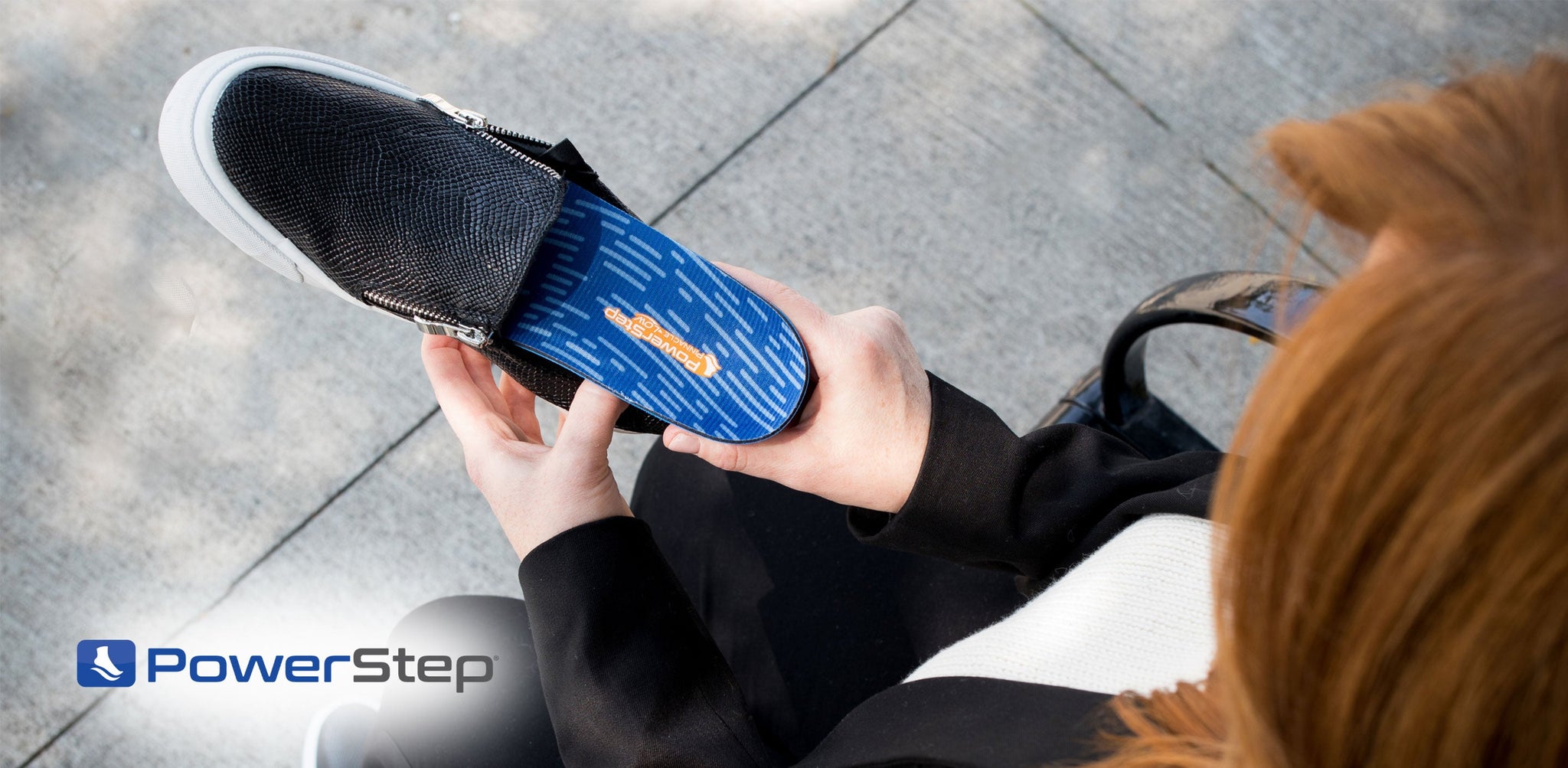
Adding high arch insoles to your shoes provides the unique support, comfort, and stability you need.
Pinnacle High shoe insoles help cushion, stabilize, and align the feet to reduce pressure and relieve foot, knee, hip, and back pain from high arches and supination.

PowerStep® Heat Moldable Insoles
When you need high arch support that’s as effective as custom orthotics, try PowerStep® Heat Moldable insoles.
After a simple, at-home molding process, they contour to your unique arch shape for a personalized fit with better support, comfort, and stability.
PowerStep® bridge® Insoles
Foot pain making it hard to be active? PowerStep® bridge® shoe inserts improve comfort and help relieve pain with flexible support that adapts to higher arches.
With over 55% energy return per step, these shock-absorbing insoles support your feet through any activity.
PowerStep® UltraStretch® Night Sock
Struggling with morning foot pain? The UltraStretch® Night Sock comfortably stretches tight muscles and tissues overnight to help improve muscle imbalances and relieve arch, heel and ankle pain caused by high arches.
The adjustable dorsiflexion strap provides a gentle stretch while the non-stretch toe area ensures flexion originates at the ball of foot, providing optimal pain relief.
FAQs About High Arches
Learn more about high arches, foot pain, and orthotic insoles from the following frequently asked questions.

Other Common Foot Conditions
REFERENCES
- Cavus Foot (High-Arched Foot). (2019). Foot Health Facts.
- High Arch Feet (Pes Cavus). (2021). Cleveland Clinic.
- What Causes High Arches, and How Are They Treated? (2019). Healthline.