


The Facts About Flat Feet
Low arches causing discomfort? Find clinically-proven support that helps your feet feel balanced and pain-free.
What Is Pes Planus (Flat Feet)?

Low Arch Feet
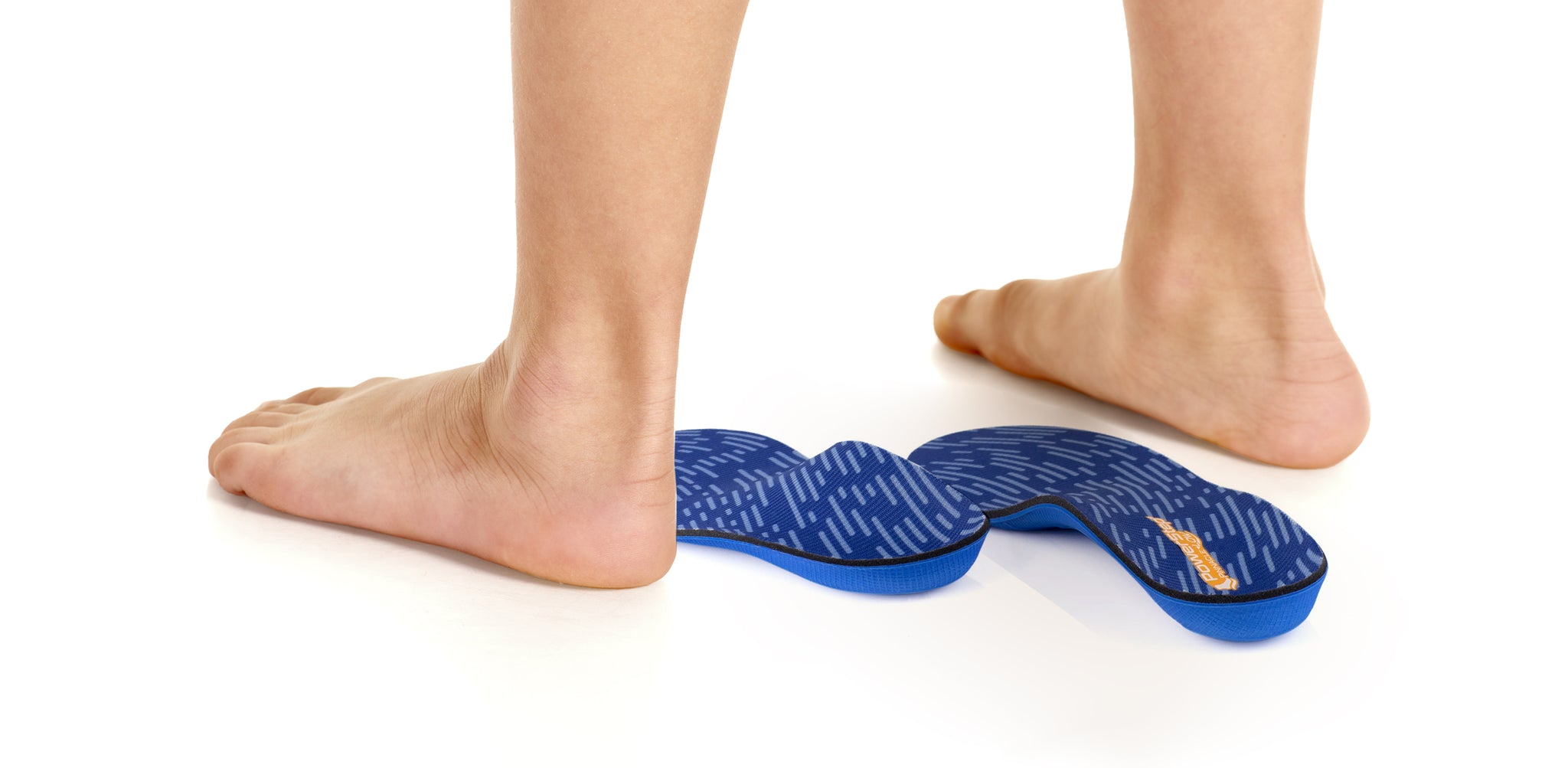
Flat feet is a common condition in children and adults. People with flat feet have no visible arch when standing, meaning the bottoms of their feet are in complete contact with the ground.
Some adults may experience collapsed or fallen arches while others have undeveloped arches from childhood. Though the condition rarely causes pain, insoles for flat feet help relieve symptoms.
Understanding Flat Feet & Fallen Arches
How Flat Feet Impact Your Foot Function
All infants are born with flat feet. By the age of six, most people’s arches fully develop. Overpronation or flat feet in toddlers is common, especially if the arches fail to develop naturally. Some adults have had flat feet since childhood while others have arches that collapse later in life due to injury or excessive stress on the feet, otherwise known as fallen arches.
Flat feet can sometimes be painful and affect the way you walk. The condition may be in both feet or just one.
There are a few different variations including:
- Flexible: Those who have flexible flat feet may have visible arches when they are not standing. However, when they put pressure on their feet, those arches disappear.
- Rigid: Rigid flat feet show no arches whatsoever. This condition makes it difficult to flex the feet, resulting in pain that may worsen with age.
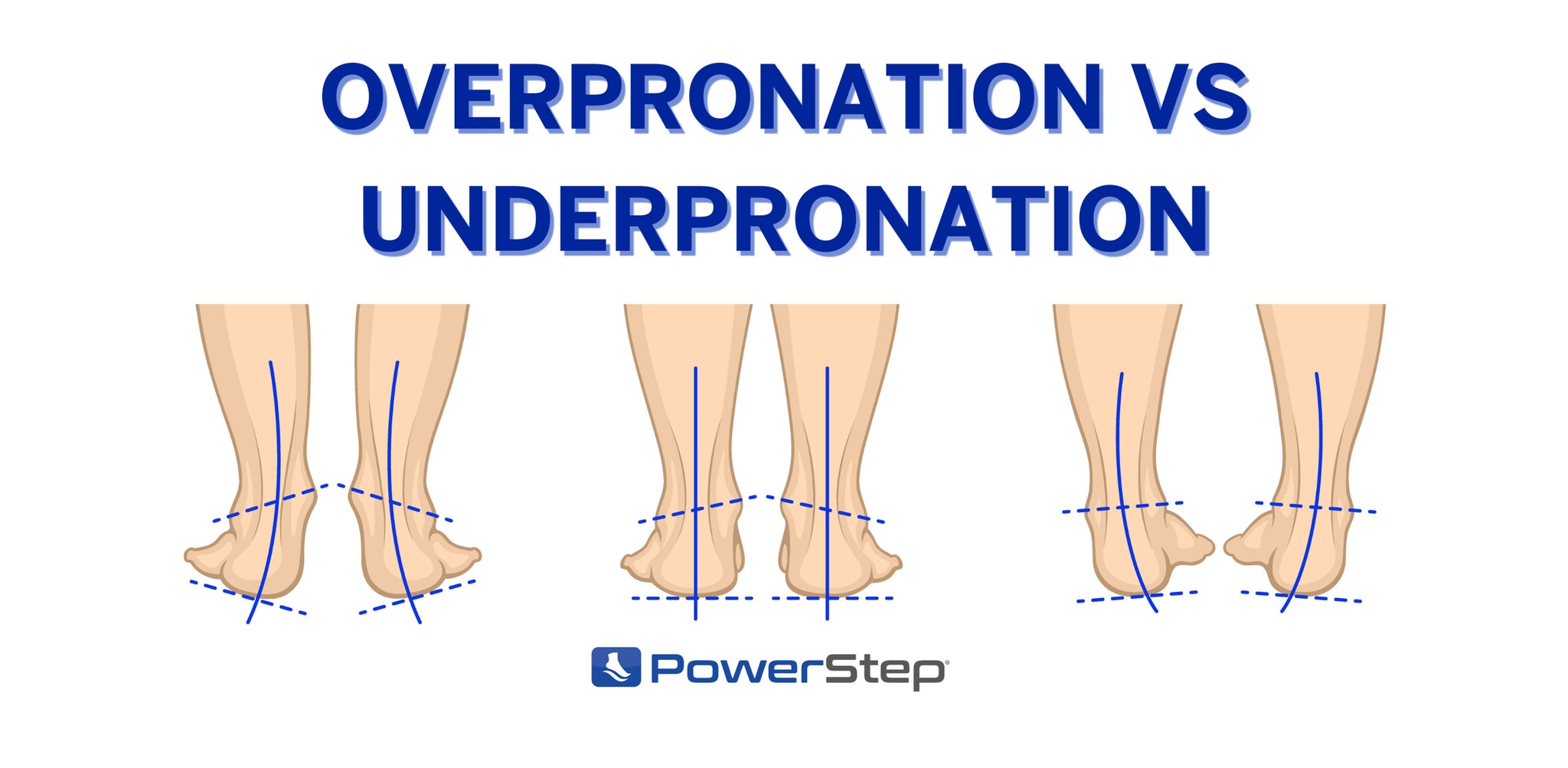
- Collapsed Arches: Also known as adult-acquired, this type happens when the arch of one or both feet collapses, causing the forefoot and toes to point outward.
How to Tell If You Have Flat Feet
Low arches are more common than high arches and less common than neutral arches.
The easiest way to tell if you have flat feet is using this arch height test:
ARCH HEIGHT FINDER- Place your barefoot into a basin of water.
- With your wet foot, step onto a paper towel or piece of cardboard.
- A footprint that shows most of the arch touching the ground means you have low arches.
Symptoms from Having Flat Feet
Flatfoot individuals rarely have noticeable symptoms, though some may experience heel or arch pain that worsens with activity.
If your flat feet pain limits the activities you or your child enjoy doing, see a doctor to discuss treatment options.
Other flat feet symptoms can include:
- Leg cramps
- Swelling along the inner ankle
- Pain when walking
- Toe drift, or when your toes point outward
- Muscle aches in the foot or leg
- Arch, ankle, or heel pain
What Causes Your Feet to Become Flat?
There are several explanations for what causes flat feet including the failure of the arches to develop during childhood. In adults with collapsed arches, an injury or tear of the posterior tibial tendon can cause the arches to lose support.
Meanwhile, people with flexible flat feet experience pain when the tendons and ligaments in the arches of the feet weaken, stretch, or tear overtime.
Other flatfoot causes may include:
- Obesity, which puts extra weight on the feet
- Diabetes
- Genetics, including absent or low arches in the family
- Injury to the foot, leg, or Achilles tendon
- Posterior Tibial Tendon Dysfunction (PTTD)
- Aging
- Pregnancy
- Rheumatoid arthritis
Flat Feet Treatment Options
Flat feet rarely cause pain, so treatment is not often necessary. Talk to your healthcare provider if you have foot pain that keeps you from participating in activities you enjoy. It is important to resolve flat feet pain early since allowing it to continue may lead to worse problems like arthritis in the foot, plantar fasciitis, bunions, heel spurs, or knee and back pain.
When it comes to learning how to fix flat feet, know that the problem is in the arches. Physical therapy teaches special exercises and stretches that help strengthen the tendons and muscles in the legs and feet, improving flexibility and enhancing arch strength. If you have severe pain stemming from your flat feet, a doctor might recommend corrective surgery.
At-home flat feet treatment options include:
- Resting and icing the area of inflammation as well as taking NSAIDs
- If you are overweight, losing some weight can help alleviate discomfort
- Most podiatrists recommend using supportive braces, shoes, and orthotics for flat feet that support the arch and reduce symptoms
Find the Best Insoles for Flat Feet & Fallen Arches
Whether you need an insole for running with flat feet or an insole for support when standing all day, PowerStep® orthotics for low arches provide maximum support and comfortable cushioning.


Corrective orthotics provide low arch support for flat feet to relieve pain and prevent future issues.
Our best inserts and shoe insoles for flat feet are:
PowerStep® Pinnacle Low Insoles
Feet with low arches need slight arch support and cushioning to help alleviate pressure.
PowerStep® Pinnacle Low shoe insoles have a clinically proven arch shape that improves foot function, decreases arch pain, and encourages proper alignment. A low heel cradle provides stability while walking plus better motion control to prevent overpronation.

PowerStep® Maxx Support Insoles
For those who need more support for flat feet, there’s PowerStep® Pinnacle Maxx corrective insoles.
Featuring our signature arch shape in a firmer shell, Maxx insoles have a built-in angled heel platform to keep the feet from rolling inward and alleviate pressure. Two layers of cushioning provide enhanced comfort from heel to toe.
PowerStep® Heat Moldable Insoles
Some podiatrists recommend using custom orthotics for flat feet. PowerStep® Heat Moldable insoles offer a personalized fit for all arch types.
Heat-molding technology contours to your feet for a custom, anatomically correct fit that supports your arch shape while foam layering cushions your feet.
PowerStep® bridge® Insoles
Foot pain making it hard to be active? PowerStep® bridge® shoe inserts improve comfort and help relieve pain with flexible support that adapts to lower arches.
With over 55% energy return per step, these shock-absorbing insoles support your feet through any activity.
PowerStep® Insoles for Kids & Toddlers
Flat feet are common in children. PowerStep® insoles provide proper support as their feet develop, helping prevent future issues.
Children’s insoles are a proactive way to support healthy alignment and reduce the risk of overpronation early.
FAQs About Flat Feet
The following frequently asked questions include more information about what it is like to live with flat feet plus how flat feet insoles can help prevent and relieve pain from overpronation and fallen arches.
Learn More About Flat Feet Through Our Blog

Other Common Foot Conditions
REFERENCES
- Flatfeet - Symptoms and causes. (n.d.). Mayo Clinic.
- Flat Feet (Flatfoot): What Is It, Pain & Treatment. (n.d.). Cleveland Clinic.