


Take Control of Hammer Toe Discomfort
Experiencing pain from hammer toe, mallet toe, or claw toe? PowerStep® insoles realign your step to relieve pressure for proper toe alignment.
What Is Hammer Toe?

Hammertoes Explained
Hammertoe is a foot deformity that causes the second toe to remain bent instead of lying flat.
Usually caused by wearing tight or ill-fitting shoes, hammer toes can be painful and become permanent if left untreated. Thankfully, treating the condition can be as simple as wearing better shoes with supportive insoles and ball of foot cushions.
Understanding Hammer Toe & Foot Comfort
What Does a Hammer Toe Look Like?
Looking at your foot, do any of your smaller toes stay curled when standing, walking, or sitting down? A hammer toe is named after the way it looks like the head of a hammer. The tip of the toe points down while the middle joint curls up and remains bent. This deformity usually affects the second toe but may affect the third and fourth toes.

Hammer Toe Symptoms
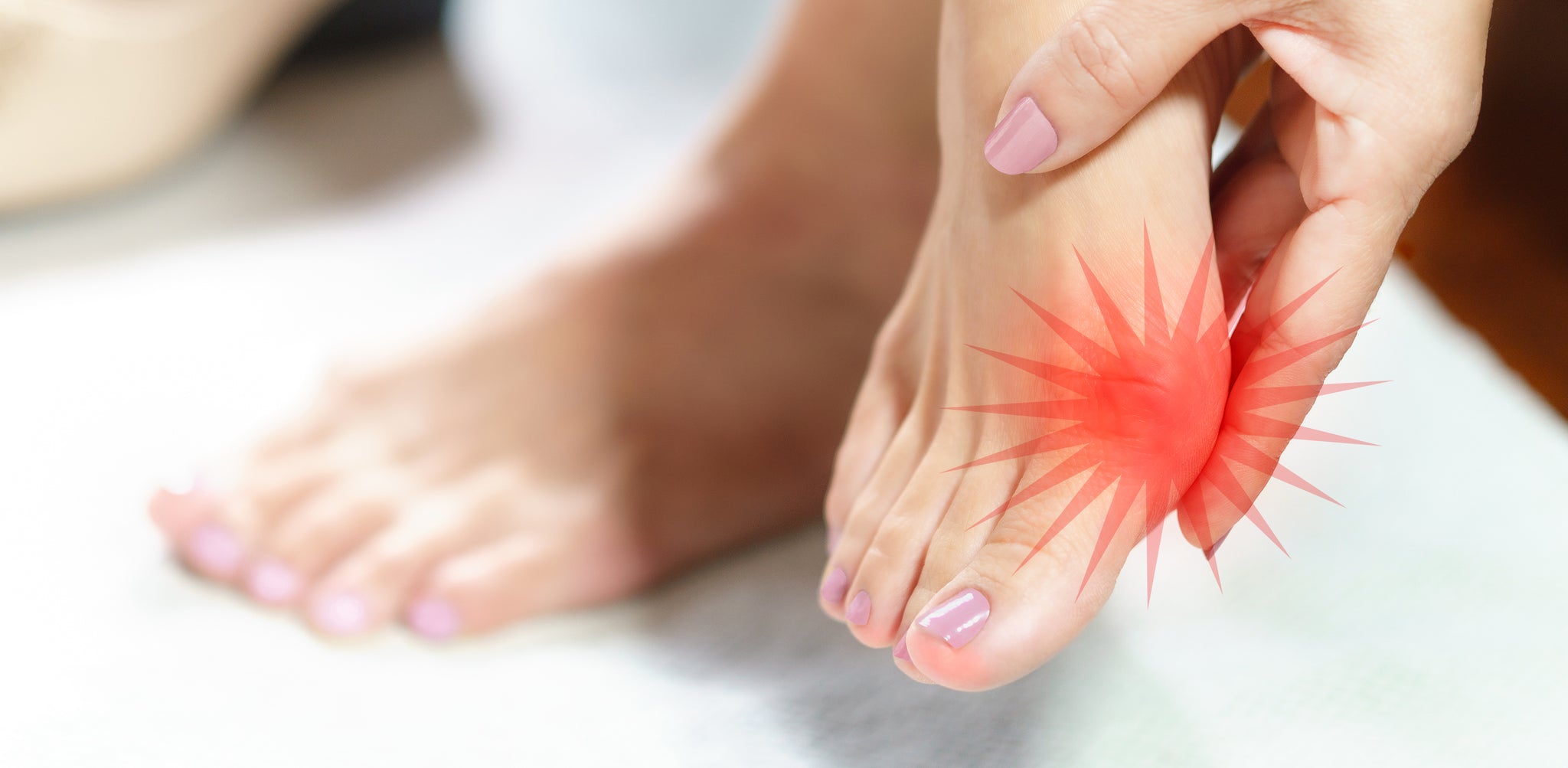
The main sign of a hammer toe is when one or more smaller toes curl downward. This can cause pain and stiffness when trying to stretch the toe to walk. You might change the way you walk to compensate for the pain and pressure, which can lead to other types of foot pain.
Early cases of hammertoe are still flexible, but more severe cases can freeze into a bent position, causing pain and poor foot function.
Common symptoms of hammer toe include:
- Corns or calluses on the top of the bent toe joint
- Inability to straighten or wiggle your toes
- Difficulty finding comfortable shoes that fit
- Swelling or redness
- Ball of foot pain
What Causes Hammer Toe?
Wearing tight shoes forces the toes into a cramped position, preventing them from lying flat. Over time, this poor alignment causes muscle imbalances around the toe joints. Unable to stretch out, the muscles and tendons on top of the toe tighten, eventually leading to the bent shape of hammertoe.
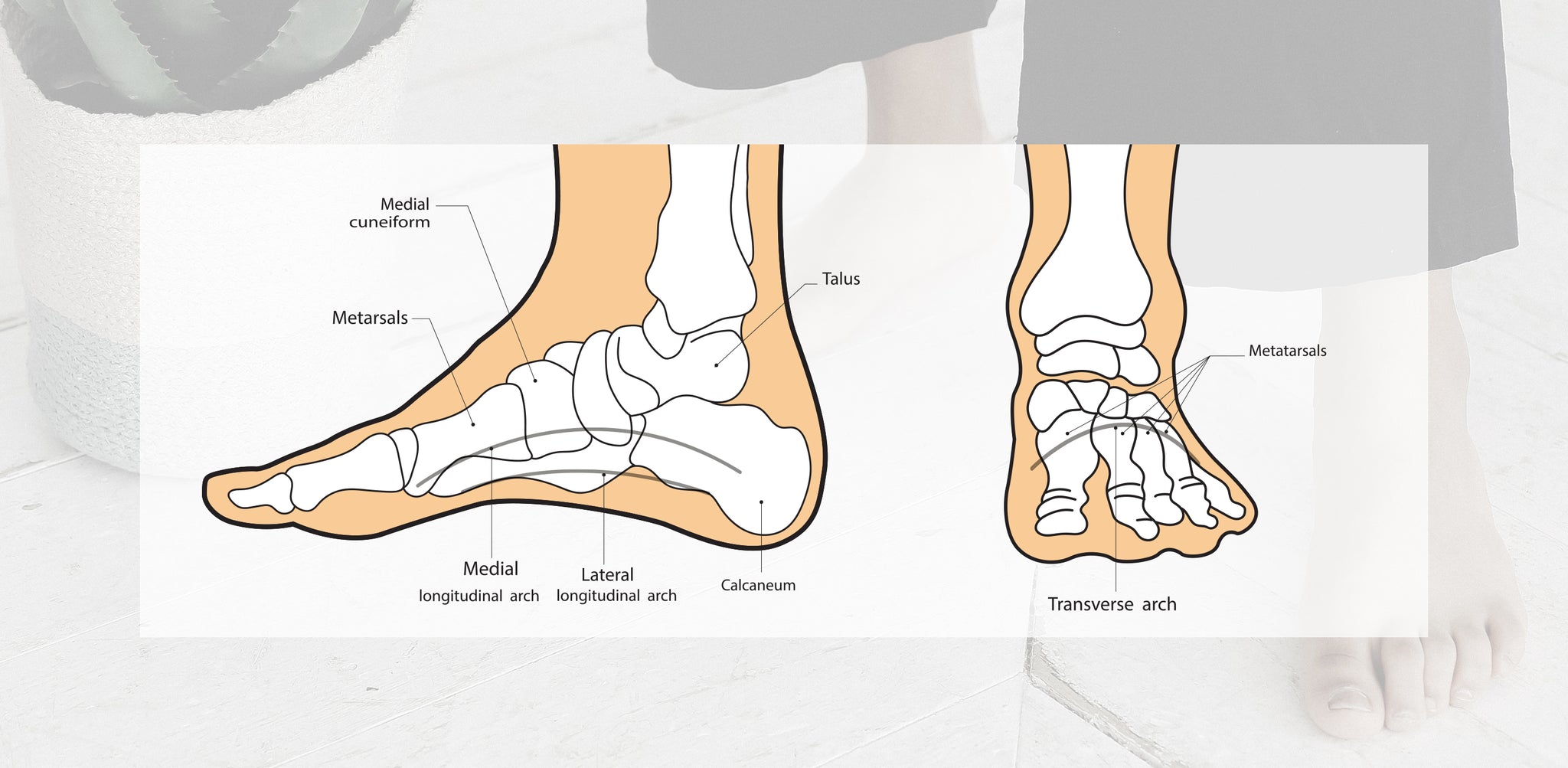
Wearing high heels and having a longer second toe can make hammertoe more likely. A change in the foot anatomy, such as when the metatarsal bones drop and make it harder for the toes to reach the ground, can also increase your risk.
The main causes of hammer toes are:
- Wearing tight or narrow shoes that do not fit or lack arch support.
- Foot injuries where the toes are broken or jammed
- Pressure caused by bunions, causing misalignment and crowding
- A family history of hammertoes
- Having flat feet or high arches
- Arthritis in the toe joint
Hammer Toe Treatment & Relief
If hammertoe pain makes it hard to walk or stay on your feet, talk to a podiatrist. After a physical exam, they can suggest an array of treatments to relieve symptoms and help your toes return to their natural shape.
When left untreated, hammer toes can affect your balance and gait. If the toe is too rigid or does not respond to the above treatments, it may require surgery to correct.
At-home treatment for hammer toe includes:
- Wearing more comfortable shoes with wider toe boxes
- Avoiding high heels and other shoes that lack support
- Exercises that stretch and strengthen the toe and foot muscles
- Wearing shoe insoles to support your feet and improve alignment
- Using a hammer toe splint to keep the toe stretched
- Adding metatarsal pads to your shoes to relieve pressure
Hammer Toe Orthotics & Shoe Cushions
PowerStep® orthotics and shoe cushions help relieve hammer toe pain and may prevent the condition from worsening.


Our orthotics support, stabilize, and align the feet from heel to toe, reducing pressure and improving comfort in your shoes.
Try the following PowerStep® products for hammer toe pain relief:
Pinnacle Plus Met Insoles
PowerStep® Pinnacle Plus Met shoe insoles have built-in metatarsal pads that lift and spread the toes to reduce pressure.
Along with arch support and a deep heel cup, these insoles for hammer toes and ball of foot pain help improve foot alignment and function. Wear them in your everyday shoes for comfortable relief.

Pinnacle Wide Fit Shoe Insoles
PowerStep® Pinnacle Wide Fit insoles provide firm arch support and a deep heel cradle to help stabilize the foot and reduce pressure.
Paired with wide-width shoes, these insoles help relieve discomfort from forefoot pain and toe pressure, including tension that can contribute to hammer toes. Wear them in your everyday shoes for all-day comfort.
PowerStep® SlenderFit® 3/4 Insoles
The PowerStep® SlenderFit® 3/4 insoles for high heels provide the perfect balance of comfort and support while leaving extra room for the toes.
The built-in metatarsal cushion takes pressure off the ball of the foot, helping to prevent and relieve pain from hammer toes, metatarsalgia, and Morton’s neuroma.
PowerStep® Metatarsal Cushions
The PowerStep® Metatarsal Cushions transfer weight away from the forefoot, allowing the metatarsal bones to spread out without excess pressure.
Used to relieve pinched nerves and hammer toe pain, these pads cover the ball of the foot with premium cushioning and fit easily into most dress shoes.
PowerStep® ArchWear™ Orthotic Sandals
PowerStep® orthotic sandals support your feet and give your toes room to stretch out.
While the contoured arch support helps align the feet, the toe post and raised edge prevent pressure from sliding. Soft, elastic sides provide a comfortable fit without rubbing, making them the best sandals for hammer toes and foot pain.
PowerStep® ArchWear™ Orthotic Slippers
PowerStep® ArchWear™ orthotic slippers are designed with a built-in arch and heel cradle that promote proper foot alignment and reduce stress on the toes. By supporting the arch and stabilizing the heel, these slippers help distribute pressure evenly across the foot—relieving discomfort and minimizing the muscle imbalance that contributes to hammer toe formation.
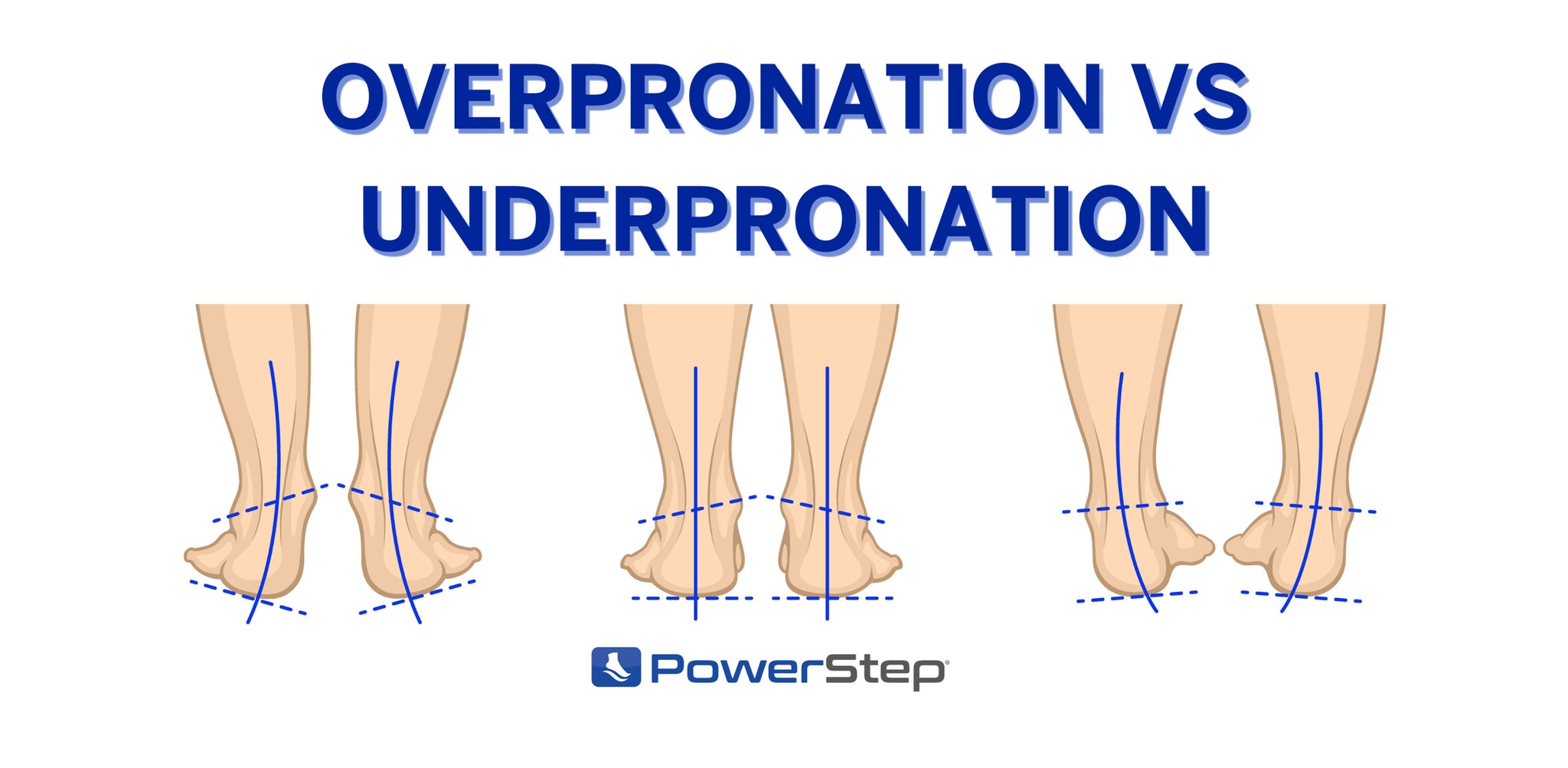
Wearing PowerStep® supportive slippers around the house can also prevent your feet from flattening or overpronating when barefoot, helping protect against the progression of hammer toes and other toe deformities such as mallet toe, claw toe, and even bunions.
FAQs About Hammer Toes
Prevention and early treatment are key to long-term foot health. Have more questions about hammertoes? Learn more with these commonly asked questions:


Other Common Foot Conditions
REFERENCES
- Hammertoes: Causes, Relief & Treatment. (2024). Cleveland Clinic.
- Hammertoe. (2014). Harvard Health.
- Hammer Toe. (n.d.). OrthoInfo - AAOS.
- Goransson, M., & Constant, D. (2023). Hammertoe. PubMed; StatPearls Publishing.
- Healthwise, Incorporated. (n.d.). Hammer, claw, and mallet toe. UK HealthCare.